New Inhalation wellness
Hydrogen Inhalation
Breathe better, live healthier with inhaled hydrogen support. Molecular hydrogen is a selective antioxidant that supports your body’s natural recovery processes.
How it works
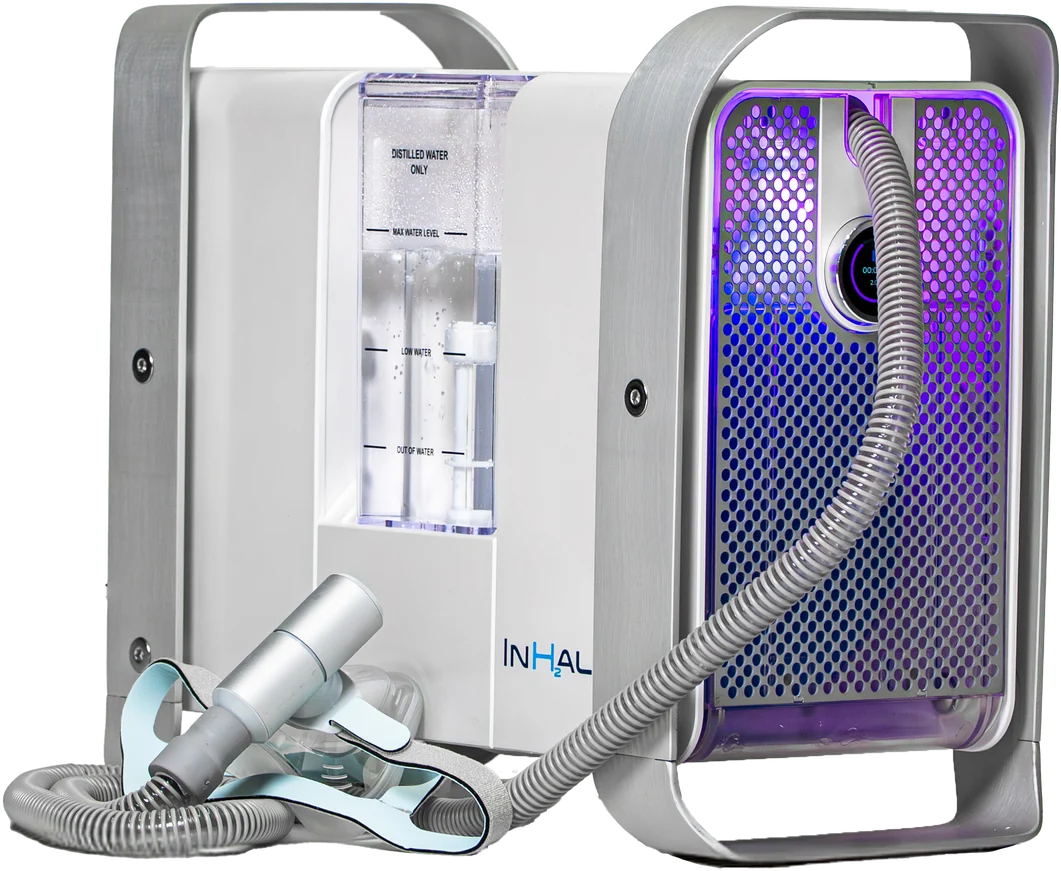
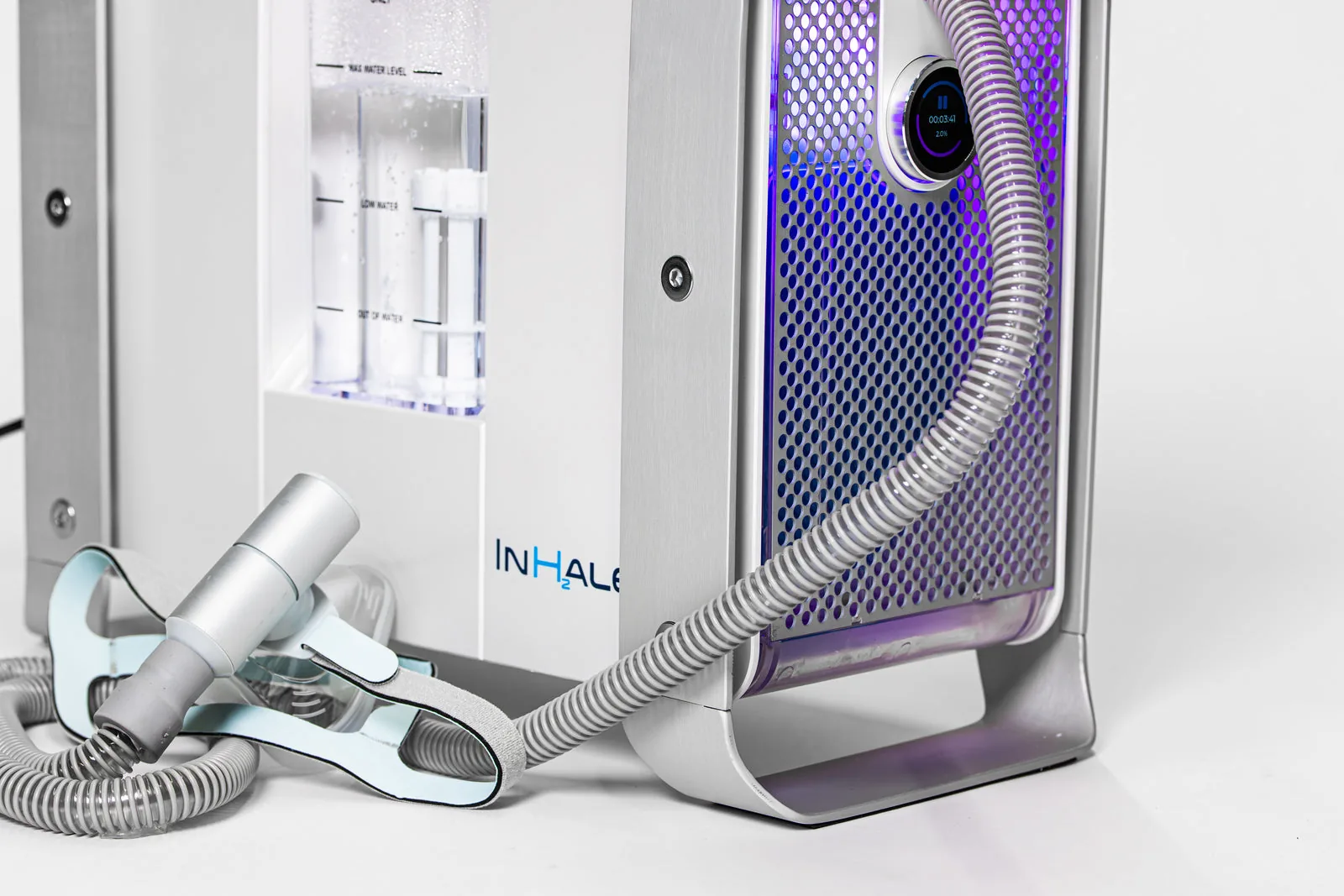
You sit comfortably and breathe normally through your own face mask while a gentle, low-concentration hydrogen mixture is delivered. There are no needles and nothing to feel.
No screening questionnaire needed — request your session through our contact form.
- Session
- 30–90 minYou choose on the day
- Per session
- $100Flat fee
- Personal mask
- $50One-time
- Screening
- NoneBook via contact form
Where hydrogen may help
Support for everyday wellness.
Molecular hydrogen is the smallest and lightest molecule. Researchers are studying its selective antioxidant and anti-inflammatory activity in five main areas.
-
01
Breathing
Respiratory comfort and breathing support
Because hydrogen diffuses rapidly across lung membranes and into cells, it is being studied for its ability to calm airway inflammation and protect lung tissue from oxidative stress.
-
02
Recovery
Respiratory wellness after viral illness
In a randomized, placebo-controlled study of adults recovering from COVID-19, two weeks of hydrogen inhalation was associated with better walking distance and lung-function measures.
-
03
Resilience
Comfort during the cancer treatment journey
Small studies alongside oncology care have reported less fatigue, nausea and other treatment-related symptoms. The evidence is preliminary, and sessions during active treatment require approval from your oncologist.
-
04
Brain
Cognitive and neurological wellness support
Early human and laboratory research is exploring hydrogen’s antioxidant effects in the brain and nervous system. Findings so far are preliminary.
-
05
Heart
Cardiovascular recovery and heart health support
Hospital-based studies have examined hydrogen inhalation after heart attack and cardiac arrest, alongside standard emergency care.
A quiet, cumulative practice — like sleep or hydration, the difference tends to show up over time.
Most of the published studies took place in hospitals or laboratories, with different devices, concentrations, session lengths and patient groups than a wellness session. They show what researchers are investigating; they do not predict how sessions will affect you. Individual results vary and are not guaranteed.
The research Selected peer-reviewed studies on molecular hydrogen Reviews, laboratory studies and human trials in respiratory health, post-viral recovery, oncology support, brain health and cardiac recovery, each labelled by study type. Read the research How it compares
Hydrogen, ozone
and hyperbaric oxygen.
All three are discussed as wellness therapies, but they work in very different ways.
| Feature | Molecular hydrogen | Ozone therapy | Hyperbaric oxygen (HBOT) |
|---|---|---|---|
| Primary mechanism | Selective antioxidantDirectly neutralizes the most destructive free radicals without disrupting beneficial signaling molecules. | Hormetic stressActs as a mild pro-oxidant, introducing controlled oxidative stress to trigger the body’s own antioxidant defenses. | Oxygen under pressureUses elevated atmospheric pressure to deliver large amounts of pure oxygen into the blood plasma. |
| Primary goal | Quench acute inflammation, protect cellular mitochondria and prevent oxidative damage. | Modulate the immune system, improve mitochondrial signaling and trigger cellular repair mechanisms. | Accelerate tissue healing, stimulate new blood-vessel growth, reduce deep tissue swelling and reverse low oxygen levels. |
| Delivery | Inhalation of a gas mixture, or drinking hydrogen-infused water. | IV (autohemotherapy), insufflation or localized injections. | Sitting or lying inside a pressurized hard- or soft-shell chamber. |
| Cellular impact | CalmingEnters the cell and lowers toxic free-radical levels. | Adaptive trainingChallenges cells to make more glutathione and defensive enzymes. | Energy-boostingFloods cells with oxygen to increase ATP (energy) production for repair. |
| Safety notes | Non-toxic and generally well tolerated; see who should avoid it below. Requires equipment that keeps the blend below hydrogen’s flammability threshold. | Cannot be inhaled directly (toxic to lung tissue). Requires specialist clinical protocols. | Ear and sinus barotrauma, severe lung disease (COPD, collapsed lung), claustrophobia. |
Alpha Vital Elite offers hydrogen inhalation. Ozone therapy and hyperbaric oxygen are shown for comparison only and are not offered at our practice.
Before you book
Frequently asked
questions.
The basics
Is hydrogen inhalation safe?
Hydrogen inhalation has been well tolerated in the studies to date. Molecular hydrogen is a naturally occurring gas — your gut already produces it during digestion, so the body is used to it — and it leaves no toxic byproducts: when it neutralizes free radicals, it simply becomes water. It is also selective, targeting the most harmful free radicals while leaving beneficial ones alone, so it does not interfere with normal cell function. Sessions are gentle and non-invasive, and the device we use has been approved for home use.
Within a wellness setting, standard precautions still apply. Hydrogen mixed with air can ignite at concentrations of about 4% and above, so wellness equipment must be certified to deliver safe, low-concentration mixtures. At our clinic, we strictly follow the manufacturer’s recommendation and never go above 4%.
Is it odorless and tasteless?
Yes. Molecular hydrogen has no smell and no taste, so you won’t notice anything different during a session. It’s the same gas your body produces naturally, in small amounts, during digestion.
How is it administered?
Through gentle inhalation using a simple face mask. You just breathe normally while seated.
Do I need a referral or a screening?
No. Unlike our IV infusions, hydrogen inhalation does not require a referral, a prescription or our online safety screening. It is offered as a general wellness service, so you can request a session directly through our contact form — much like booking a sauna or a massage.
When you arrive, you’ll sign a standard health waiver and intake form confirming that you have no acute medical issues that would make the session inappropriate or uncomfortable.
Can I combine hydrogen with my current wellness routine?
Absolutely. Hydrogen works alongside most other practices — exercise, nutrition, meditation, physical therapy, whatever you’re already doing. It doesn’t replace anything; it simply adds another layer of antioxidant support. Just let us know what else you’re using so everything stays in sync.
Are the results immediate?
Not usually. Hydrogen is more of a cumulative practice. Some people notice subtle shifts in energy or breathing within a few sessions, but the deeper benefits tend to build over weeks of consistent use. Think of it like sleep or hydration: one good night helps, but the real difference shows up over time.
Your session
What happens during my first visit?
You’ll start with a short consultation about your goals and health background. Then you’ll settle into a comfortable chair, put on your face mask and breathe for your chosen session length. We’ll check in with you throughout, and at the end we’ll talk about what to expect going forward and schedule your next visit if you choose to continue.
How long is a session?
Anywhere from 30 to 90 minutes, depending on what you’re looking for. You can choose your preferred length on the day.
What should I expect to feel?
Most people feel nothing at all: no tingling, no pressure, just quiet breathing. Some describe a sense of calm or lightness afterward, but there’s no dramatic sensation in the moment. It’s subtle, which is exactly the point.
Is there any downtime afterward?
No. You can drive yourself home, go straight back to work or carry on with your day. There’s no recovery period, because nothing about the process sedates or exhausts you.
How often should I come in?
It depends on your goals. Many people start with two to three sessions a week for the first few weeks, then adjust based on how they feel. Your first visit is a good time to map out a rhythm that fits your schedule and your body’s response.
Can I eat or drink before a session?
You generally do not need to fast; a light meal beforehand is fine. Avoid a large meal immediately before reclining if it makes you uncomfortable, and drink water as you normally would. Follow any dietary or fluid restrictions provided by your treating physician.
What should I wear?
Comfortable clothing that feels loose around your chest and neck. You stay in your own clothes while seated and breathing through your fitted face mask.
Safety & who it’s for
Who should avoid hydrogen inhalation?
While hydrogen is generally well tolerated, there are situations where it’s best to hold off or get medical clearance first. It is not for:
- People with severe chronic obstructive pulmonary disease (COPD) or other conditions where oxygen levels are tightly controlled by a physician
- Anyone with a pneumothorax (collapsed lung) or a recent chest injury
- Anyone with a history of seizures that aren’t fully managed
- People who are pregnant or breastfeeding, simply because safety data in those groups is limited
- Anyone currently on supplemental oxygen therapy at home
- People with severe asthma that is unstable or has recently flared
- Anyone who has had recent ear or sinus surgery, since changes in pressure and gas can affect healing
- Anyone experiencing chest pain, shortness of breath or signs of a heart event — that’s an emergency-room situation, not a wellness session
The common thread: if your breathing or oxygen balance is already being managed medically, hydrogen inhalation needs a doctor’s sign-off before you begin.
When should I postpone a session or seek urgent care?
Postpone your appointment if you have a fever, a potentially contagious illness, worsening asthma or COPD symptoms, or another new or unstable medical problem.
New or severe shortness of breath, chest pain, fainting, confusion or blue lips require urgent medical assessment. Call 911 for severe symptoms.
Does hydrogen interact with medications?
There’s no known direct interaction, because hydrogen works at the cellular level rather than through the same pathways most drugs use. Still, if you’re taking blood thinners, immunosuppressants or anything for a heart condition, mention it at your first visit so we can be thorough.
Can children use hydrogen inhalation?
It’s generally considered gentle enough for older children and teens, but we’d want a parent or guardian present and, ideally, a pediatrician’s input first. We don’t recommend it for infants or toddlers without specialist guidance.
Can children with asthma receive it?
That’s an important distinction. For a child whose asthma is well controlled with medication and who isn’t having frequent flare-ups, hydrogen inhalation may be something to explore with their pediatrician on board.
But if the asthma is active, recently worsened or requires emergency inhaler use, that’s exactly the kind of situation where we’d say not yet. The priority is always the child’s breathing stability first.
Cost, masks & insurance
How much does a session cost?
Sessions are a flat $100, covering 30 to 90 minutes in the chair. You may choose your preferred length on the day, subject to physician review. Sessions are by appointment only, so please book ahead; your personal mask is purchased separately.
Is my mask used by anyone else?
No. Your mask is reserved exclusively for you and is purchased for a one-time $50 fee. After each session, we clean it according to the manufacturer’s instructions, let it dry fully and return it to you in a resealable bag.
We do not store masks between visits, so please bring yours to every appointment.
Is hydrogen inhalation covered by insurance?
At this time, no. It’s a wellness service, so it’s self-pay. We can provide an itemized receipt if you’d like to submit it to a flexible spending account (FSA) or health savings account (HSA), as some plans allow reimbursement for wellness therapies.
Respiratory wellness & cancer care
Why is inhaled hydrogen considered for respiratory wellness?
Researchers are interested in inhaled molecular hydrogen for respiratory wellness because of its selective antioxidant and anti-inflammatory properties. Because it is the smallest and lightest molecule, inhaled hydrogen diffuses rapidly across lung membranes and into cells and their organelles.
What areas of respiratory wellness are being studied?
- Airway inflammation. Laboratory studies in models of asthma and COPD have found less airway inflammation after hydrogen inhalation.
- Targeted antioxidant protection. Rather than neutralizing all free radicals — some of which the immune system needs — hydrogen selectively targets the highly reactive hydroxyl radical and peroxynitrite, helping protect lung cells from oxidative stress.
- Easier airflow. Hydrogen has exceptionally low density. In hospital research, high-concentration hydrogen–oxygen mixtures lowered resistance to airflow and the effort needed to breathe. Wellness devices, including ours, use far lower concentrations.
- Tissue scarring. Laboratory research is exploring possible anti-fibrotic effects in lung tissue.
Can hydrogen inhalation be considered during cancer treatment?
Cancer treatment can be physically and emotionally demanding, and it is understandable to look for additional ways to feel supported along the way.
Researchers are studying inhaled molecular hydrogen alongside oncology care. Some studies have reported improvements in fatigue, nausea or other treatment-related symptoms, but the evidence remains preliminary and does not establish benefit for every cancer type or treatment.
What about a session before chemotherapy?
Before considering a session during active cancer treatment, we require physician review and approval from your treating oncologist. Any proposed use and timing must be reviewed with your oncology team. Continue all prescribed cancer treatments and medicines for side effects as directed.
If you or someone you love is undergoing treatment, contact us to discuss your questions and whether further medical review is appropriate.
No screening needed
Book directly,
breathe easy.
Hydrogen sessions don’t go through the IV eligibility review. Send us a request through the contact form and we’ll call to set a time.
- 01 Send a request Fill in the contact form with your name, phone and email, and write “Hydrogen session” with your preferred days and times in the message. Please don’t include medical details in the form.
- 02 We confirm your time Our office contacts you to schedule your appointment. Sessions are by appointment only.
- 03 Intake at the clinic On arrival, you’ll sign a short health intake and waiver, and we’ll talk through your goals and health background.
- 04 Sit back and breathe Settle into the chair, put on your mask and breathe normally for your chosen session length. We check in with you throughout.
- Service
- Hydrogen inhalation
- Session
- 30 – 90 min
- Per session
- $100 flat
- Personal mask
- $50One-time, yours to keep
- Screening
- Not requiredBook via contact form
- Location
- Middle Village, Queens
Insurance does not cover hydrogen sessions. An itemized receipt is available for FSA or HSA submission.
Hydrogen inhalation is offered as an elective wellness service. Clinical benefits and long-term safety for general wellness use have not been established, and no outcome is guaranteed. This service is not intended to diagnose, treat, cure or prevent disease and does not replace prescribed treatment, specialist care or emergency care.
Important disclaimerHydrogen inhalation is offered as an elective general wellness service and is not intended to diagnose, treat, cure or prevent disease. Clinical evidence is limited, and no benefit or outcome is guaranteed. Research findings do not establish that our sessions reduce chemotherapy side effects. This service does not replace professional medical advice, diagnosis, prescribed treatment or emergency care. Eligibility requires prior physician review, and patients receiving cancer treatment must consult their treating oncologist before proceeding. Do not stop or change prescribed treatment. In a medical emergency, call 911 immediately.